
Why Is There Water Around My Outdoor Air Conditioner?
8 July 2026
Why Is One Room Colder Than the Others?
20 July 2026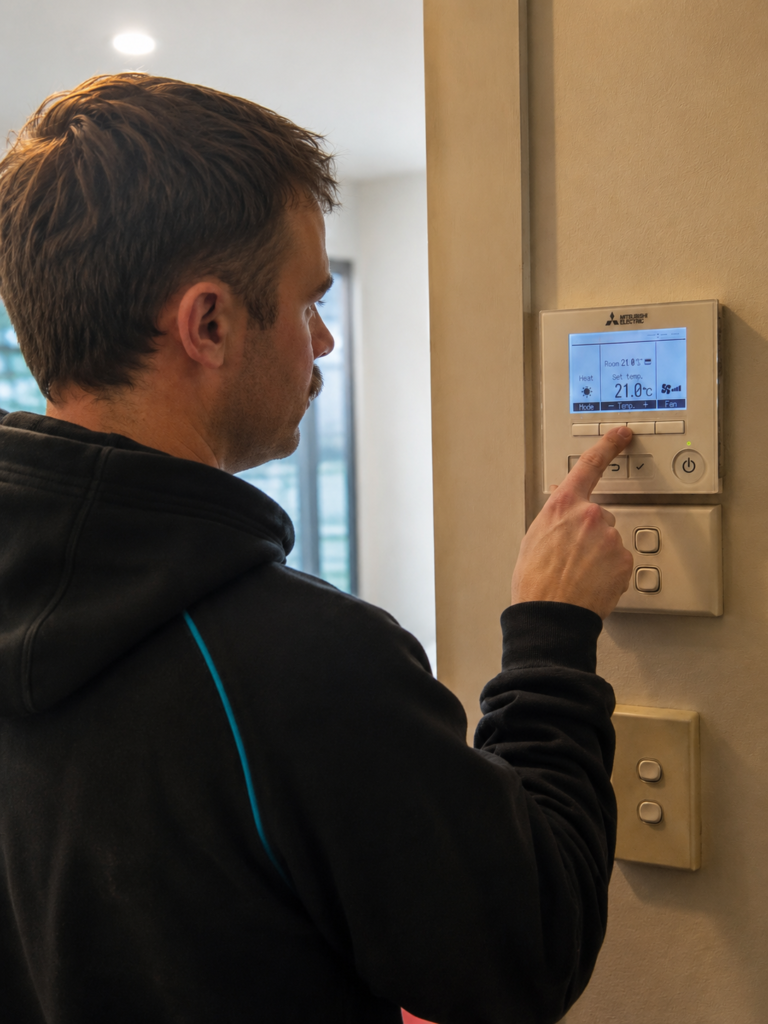
Have you ever switched your air conditioner to heating mode and wondered why your home isn’t warming up straight away?
It’s one of the most common questions we receive during winter, especially on those cold Adelaide mornings.
The good news is that, in many cases, your air conditioner is operating exactly as it should.
Here’s why your heater may take a little longer to warm your home.
Reverse Cycle Air Conditioners Don’t Produce Instant Heat
Unlike portable electric heaters or gas heaters that begin producing heat almost immediately, a reverse cycle air conditioner works a little differently.
When you switch your system to heating mode, it first needs to:
- Start the compressor.
- Build refrigerant pressure.
- Warm the indoor heat exchanger (coil).
- Reach a suitable operating temperature before blowing warm air into your home.
Many modern systems deliberately delay the indoor fan for a few minutes so they don’t blow cold air into the room while the system is warming up.
This is completely normal and helps provide a more comfortable heating experience.
Your Home May Be Very Cold
The colder your home is, the longer it will naturally take to reach your desired temperature.
If your house has cooled down overnight, your air conditioner isn’t just heating the air—it also has to warm:
- Walls
- Floors
- Ceilings
- Furniture
- Other surfaces throughout the room
These all absorb heat before the room itself starts to feel comfortable.
This is why heating a home from 12°C to 21°C takes much longer than maintaining a home that’s already sitting at 19°C.
Is Your Air Conditioner the Right Size for Your Home?
One of the biggest factors affecting heating performance is whether your air conditioner has been correctly sized for the area you’re trying to heat.
Every air conditioning system is designed to heat and cool a specific space. If you’re asking a smaller system to heat a much larger area than it was designed for, it will naturally take longer to reach the set temperature—and in some cases, it may never quite get there.
For example, a split system installed to heat a single living room may struggle if you’re expecting it to comfortably heat an open-plan living area, kitchen, dining room and hallway.
It’s also important to consider how you’re using your home today compared to when the system was originally installed.
You may now be trying to heat:
- Additional rooms.
- A home extension.
- Large open-plan areas.
- Rooms with high ceilings.
- Areas with large windows or poor insulation.
Even if your air conditioner is operating exactly as designed, it may simply not have the capacity to meet your current heating requirements.
Are Your Expectations Realistic?
It’s also worth considering what you’re expecting your air conditioner to do.
Many people turn their system on after the house has been cold overnight and expect the entire home to reach 22°C within 10 or 15 minutes.
Unfortunately, that’s generally unrealistic—particularly in larger homes or during very cold weather.
Reverse cycle air conditioners are designed to heat your home efficiently and consistently, maintaining a comfortable temperature over time rather than producing instant heat.
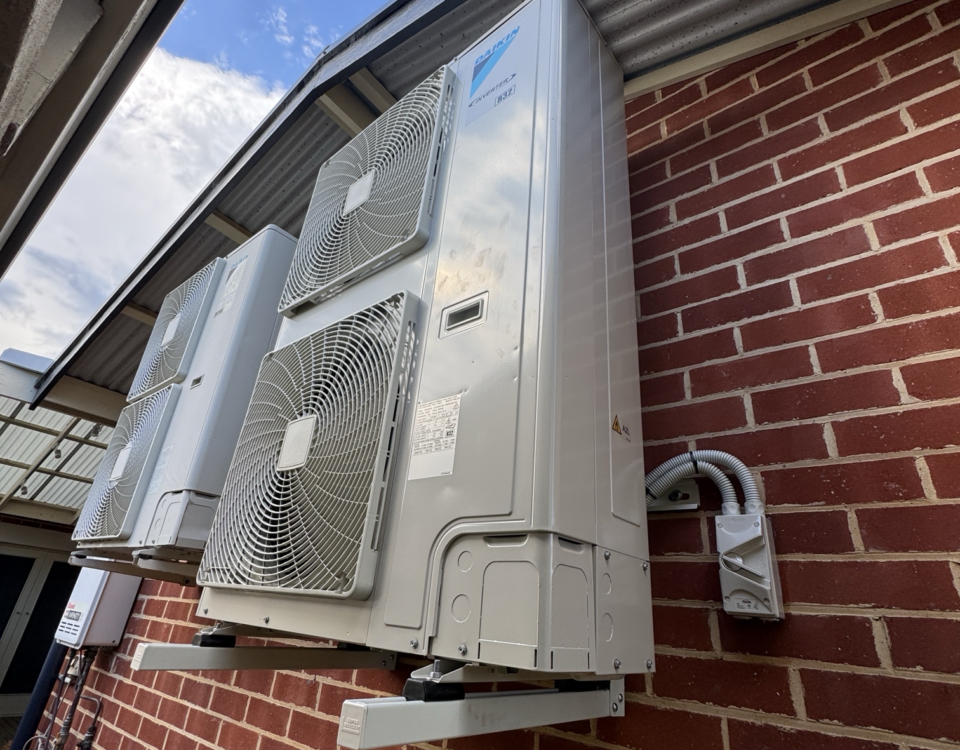
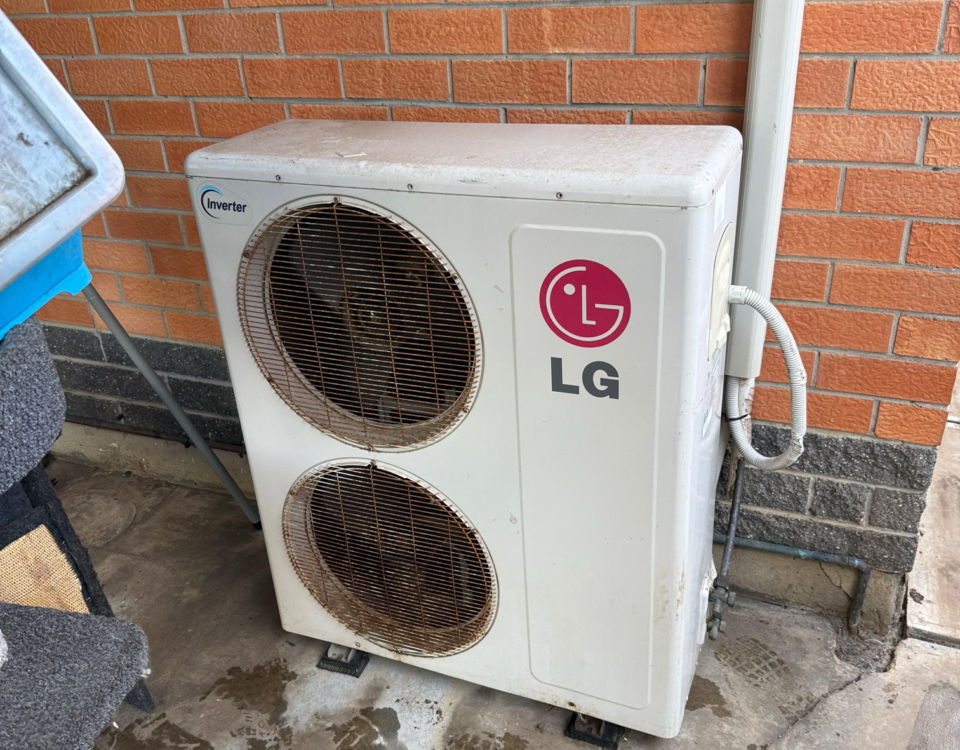
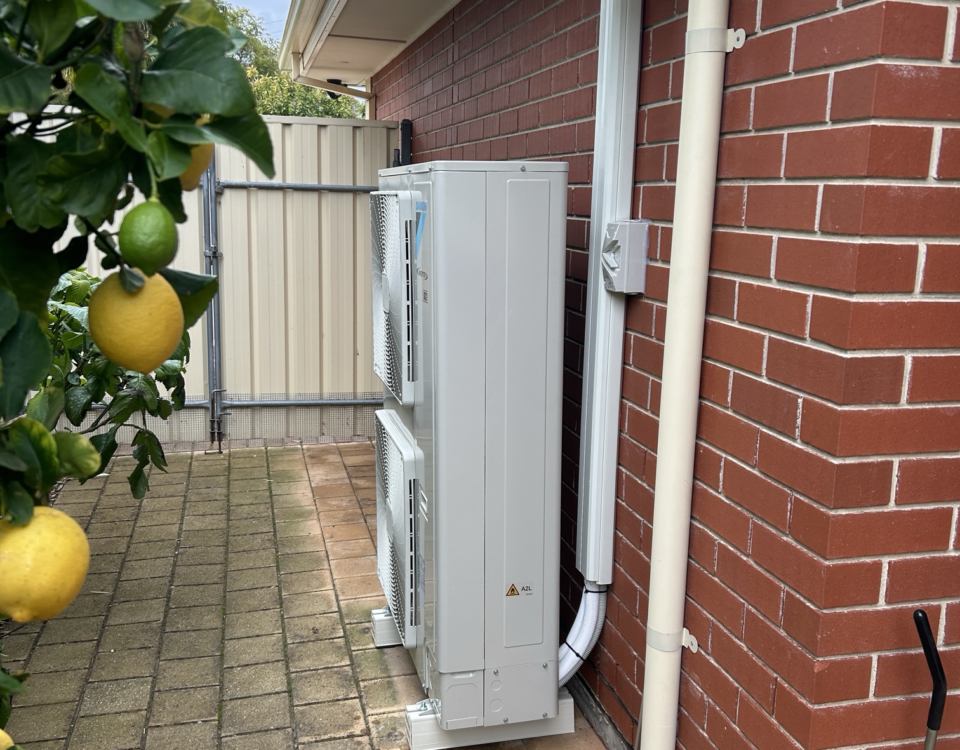
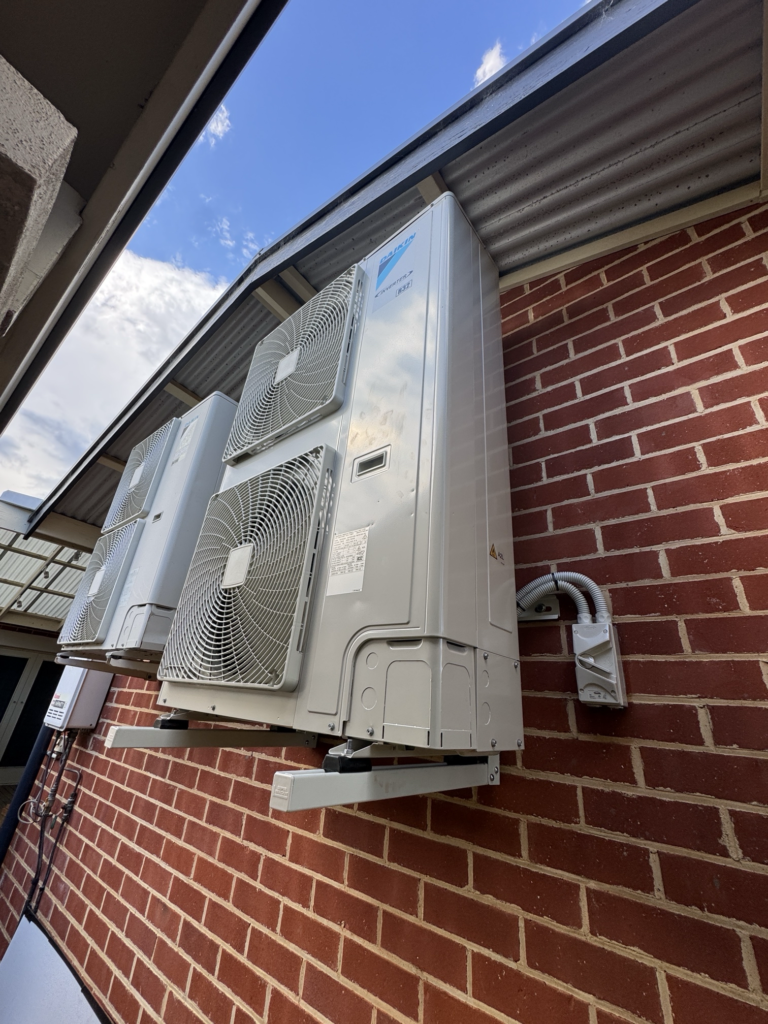
Your System May Be Performing a Defrost Cycle
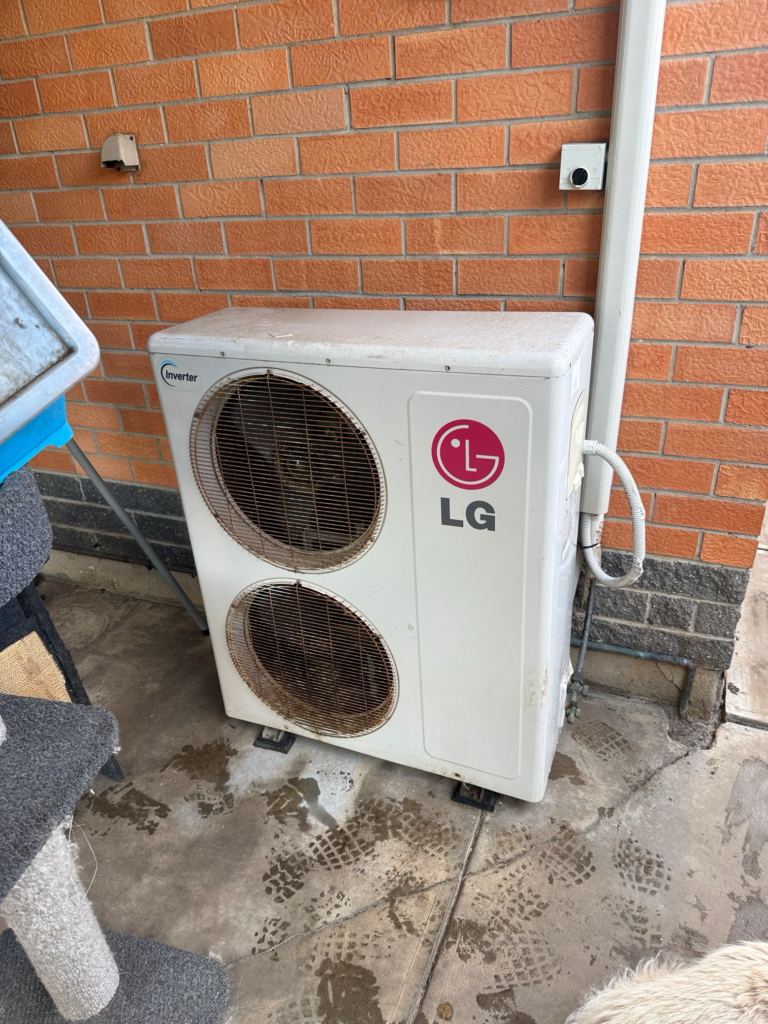
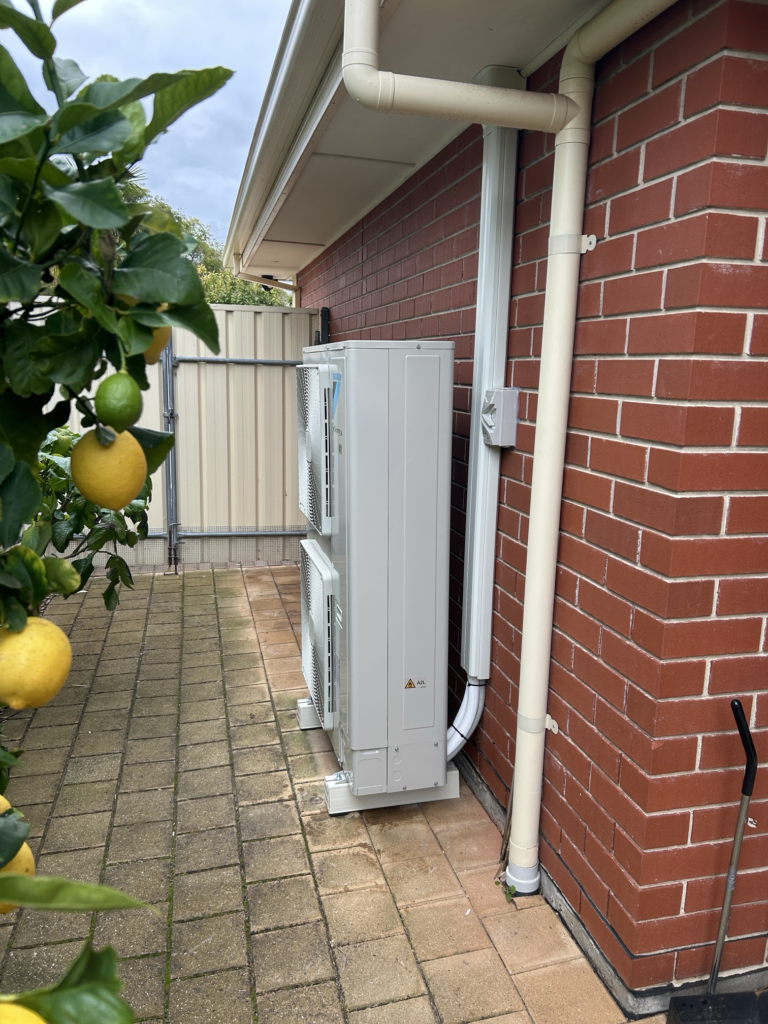
During colder weather, your outdoor unit can develop frost on the outdoor coil.
To remove this frost and maintain efficient operation, your air conditioner will automatically enter a defrost cycle from time to time.
During this process you may notice:
- Heating temporarily pauses.
- The indoor fan may slow down or stop.
- Steam rising from the outdoor unit.
- Water draining from the outdoor unit.
Once the defrost cycle has finished, your system will automatically return to normal heating operation.
This is a completely normal part of winter operation.
Dirty Filters Can Restrict Airflow
One of the simplest reasons your heater may feel slow is dirty air filters.
When filters become clogged with dust and debris, they restrict airflow, making it harder for warm air to circulate throughout your home.
This can result in:
- Longer heating times.
- Reduced airflow.
- Higher energy consumption.
- Reduced comfort.
Cleaning your filters regularly is one of the easiest ways to keep your system operating efficiently.
The Temperature Setting
A common misconception is that setting your heater to 30°C will warm your home faster.
Unfortunately, it doesn’t.
Your air conditioner heats at the same rate regardless of whether it’s set to 21°C or 30°C.
The higher setting simply tells the system to continue heating for longer.
For most Adelaide homes, we recommend setting your system between 20°C and 22°C for comfortable and energy-efficient heating.
Could Your System Benefit from a Service?
If your heater seems to be taking much longer than it used to, a professional service may help restore its performance.
Over time, systems can lose efficiency due to:
- Dirty filters.
- Dust build-up inside the indoor unit.
- Restricted airflow.
- Worn components.
- General wear and tear.
At Morphett Air, our qualified technicians thoroughly inspect your system to ensure it’s operating safely and efficiently.
If required, we may also recommend an Eco Clean, which removes built-up dirt and contaminants from inside the indoor unit to restore airflow and improve performance.
When Should I Call Morphett Air?
While some delay in heating is perfectly normal, it’s worth contacting a qualified technician if:
- Your home never reaches the set temperature.
- The system only blows cool or cold air.
- Airflow is very weak.
- The unit repeatedly shuts down.
- Error codes appear on the controller.
- The system struggles to heat areas it previously heated comfortably.
These symptoms may indicate your system needs servicing, repair, or that it’s no longer appropriately sized for your home’s current heating requirements.
Need Help Getting the Most From Your Heating?
If your air conditioner isn’t heating your home as well as it should, the friendly team at Morphett Air is here to help.
Whether your system requires routine servicing, an Eco Clean, fault diagnosis, or an assessment to determine if it’s correctly sized for your home, our experienced technicians can provide honest, professional advice tailored to your needs.